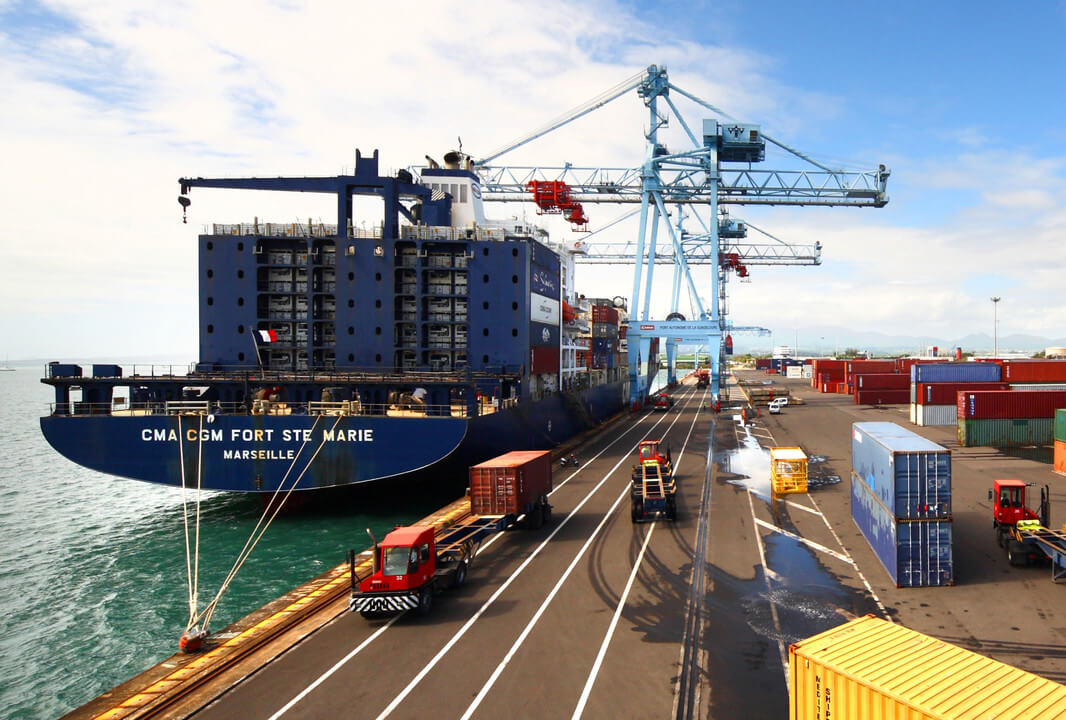
Beacon’s AI Supply Chain Workspace turns fragmented data into intelligent supply chains - focusing on reducing unnecessary spend across the supply chain.

What is Supply Chain Intelligence?
Supply chain intelligence What is supply chain intelligence?is the ability to derive insights and best next step actions from multiple data sources, providing contextual balance across your supply chain operations.
It is distinct from supply chain visibility, which tells you where things are. Intelligence tells you what that means, what it will cost, and what to do about it. And because decisions in supply chains involve multiple teams, functions, and external partners, intelligence has to be paired with collaboration: the ability to get the right information to the right people at the right time, without email chains or manual updates.
Supply chain visibility vs supply chain intelligence
These two terms are often used as if they mean the same thing. They do not.
Supply chain visibility answers: where is my shipment right now? It pulls tracking milestones from carriers and forwarders and surfaces a current status. Most tracking tools, carrier portals, and freight management platforms stop here.
Supply chain intelligence answers: what does that status mean for my business? It combines the current status with historical patterns, commercial context, and operational data from across your supply chain to surface a decision rather than just a data point.
The difference is context. A delayed container is data. Understanding which forwarder it is on, how that forwarder has performed historically on that lane, what the contents cost, what your freight contract says about liability, and whether there are faster alternatives available: that is intelligence.
Visibility without context defaults to reactive decision-making. Intelligence enables proactive ones.
Why supply chain intelligence matters now
The case for supply chain intelligence has been building for years. Three forces have made it urgent.
Supply chains have outgrown the tools managing them. Businesses with complex, high-volume supply chains are routinely managing hundreds of active shipments across multiple carriers, forwarders, trade lanes, and business units. The data exists across all of these. It is simply not connected. Logistics managers start their mornings hunting for information across carrier portals, forwarder reports, and spreadsheets before they can make a single decision. The information is there. The intelligence is not.
Manual coordination does not scale. When supply chain data is fragmented, every status update, exception, invoice, and ETA change requires someone to find it, verify it, and communicate it manually. That pattern breaks down as supply chains grow in complexity. It also concentrates knowledge in individuals rather than systems, which creates operational fragility.
AI has made the data problem impossible to ignore. Every supply chain leader is now under pressure to deploy AI. But AI tools require clean, connected, structured data. An AI assistant sitting on top of disconnected spreadsheets and carrier portals does not produce intelligence; it produces noise. The organisations investing in a coherent data foundation now are the ones who will be able to deploy AI effectively. The context layer is the hard part. It is also the part that determines whether AI in your supply chain is useful or theoretical.
What supply chain intelligence includes
Supply chain intelligence is not a single feature. It is a set of interconnected capabilities that most point solutions do not provide together.
Data unification. The starting point is connecting data that currently lives in separate places: carrier tracking systems, freight forwarder portals, purchase orders, commercial invoices, bills of lading, freight contracts, ERPs, and spreadsheets. An AI Supply Chain Workspace brings these into a single operational picture rather than requiring a human to assemble it.
Standardisation. Tracking data from different carriers uses different milestone terminology. Cost data arrives in different currencies and formats. An AI Supply Chain Workspace normalises these so comparison and analysis across carriers, routes, and business units is actually meaningful.
Historical pattern recognition. Which lanes consistently underperform? Which suppliers drift on lead times? Which exceptions tend to escalate into bigger problems? This kind of analysis requires structured historical data. Most point solutions surface current status only. Workspaces built to deliver supply chain intelligence are built around what has happened over time as much as what is happening right now.
Decision support. The output is not a status update. It is a prioritised view of what matters, what it is costing you, and what action to take. The intelligence is specific enough that a supply chain team can make a confident, evidence-backed decision rather than a reactive one.
Collaboration. Intelligence is only useful if it reaches the people who need to act on it. A warehouse team needs to know about inbound delays. A customer needs to see the status of their shipments. A freight forwarder needs to upload documents against the right purchase order. An AI Supply Chain Workspace makes this possible through shared, permissioned views of live data: each team or external partner sees exactly their relevant slice, updated in real time, without anyone having to forward a spreadsheet or answer a status email. The "where's my shipment?" question stops being asked because everyone already has the answer. Live Boards are how Beacon delivers this: segmented, real-time views that can be shared inside and outside your organisation with precise control over who can see and edit what.
Supply chain intelligence in practice: Fever-Tree and Westmill Foods
Fever-Tree
Fever-Tree, the premium drinks mixer brand, was managing shipments across multiple carriers and forwarders with no single source of reliable tracking data. Their logistics team was logging into multiple portals daily, operating on outdated information, and incurring demurrage and detention charges they had no visibility over. In their own words, they were "near enough bleeding demurrage every week".
After deploying Beacon, Fever-Tree gained a unified picture across all their carriers and forwarders. They were able to hold forwarders accountable to SLAs for the first time, verify whether the lowest-cost carrier allocations were being used on their freight contracts, and proactively notify their warehouses, hauliers, and customers when shipments were rerouted. Demurrage and detention charges came down. Their freight spend became legible.
Read the Fever-Tree case study
Westmill Foods
Westmill Foods, one of Europe's largest specialist food companies, faced a version of the same problem. Their logistics manager started every morning opening multiple daily reports from different freight forwarders and cross-referencing carrier websites to find basic ETA information. Invoice verification required manually matching purchase order numbers across multiple spreadsheets and carrier portals before a charge could be approved.
After deploying Beacon, both processes changed. ETA data became accessible in a single workspace across all carriers and forwarders via Beacon's Table. Live Boards meant individual teams could check what was relevant to them without asking for updates. Invoice verification, which previously required checking multiple sources, now takes seconds. The team estimates saving 1 to 2 hours per week on invoice verification alone across multiple users. More importantly, the time saved goes back into responding to issues faster and giving customers immediate answers rather than chasing information.
Read the Westmill Foods case study
What supply chain intelligence is not
It is not a TMS. A transport management system handles the execution of freight bookings. Supply chain intelligence sits above that layer, analysing performance, surfacing risk, and informing decisions.
It is not standalone BI. Business intelligence tools require analyst effort to build models from clean data. An AI Supply Chain Workspace is purpose-built for supply chain data, with the contextualisation and data modelling already embedded.
It is not AI on top of bad data. A conversational AI interface built on top of disconnected, manually maintained spreadsheets is not supply chain intelligence. The AI layer is only as useful as the data context it can access. Building that context is the hard work that most AI supply chain tools skip. The quality of intelligence is determined by the quality of the data foundation beneath it.
Who it is for
Supply chain intelligence is most valuable for businesses with large, scaling, or complex supply chains. Specifically, organisations that:
- Manage shipments across multiple carriers, forwarders, or trade lanes
- Move goods via ocean and air freight
- Have supply chain data spread across spreadsheets, portals, ERPs, and email
- Make operational decisions that involve logistics, procurement, and finance simultaneously
- Are evaluating or already deploying AI in supply chain operations
The need is particularly acute for businesses where supply chain complexity has grown faster than the tools managing it. When teams are spending significant time finding information rather than acting on it, the case for supply chain intelligence is straightforward.
The cost of operating without it
The financial cost of fragmented, unactionable supply chain data is consistently underestimated. Common categories include:
- Demurrage and detention charges accumulating because the right people were not notified in time
- Emergency air freight to cover for delayed ocean shipments, typically running at four to six times the ocean cost
- Excess safety stock held as a buffer against uncertain transit times, tying up working capital
- Procurement decisions made on outdated lead time assumptions that have not been validated against actual shipment data
- Commercial conversations with carriers and forwarders conducted without data to support or challenge performance claims
In most cases, the annual cost of an AI Supply Chain Workspace is less than the cost of a single significant disruption managed without adequate data.
How supply chain intelligence and AI fit together
The relationship is foundational. AI models applied to supply chain operations need to reason over shipment histories, exception patterns, freight contracts, supplier performance records, and cost data. When that data is fragmented, unstructured, or contradictory, AI tools cannot produce reliable outputs.
When data is unified, standardised, and contextualised, AI becomes genuinely capable: more accurate ETA predictions, automated exception routing, demand planning informed by live shipment data, and commercial decisions backed by historical performance rather than gut feel.
An AI Supply Chain Workspace builds and maintains the data context that makes this possible. That is what distinguishes it from point solutions that add an AI interface on top of incomplete data. The intelligence layer is what makes AI in supply chains practical, not just promised.
Frequently asked questions
What is the difference between supply chain visibility and supply chain intelligence?
Supply chain visibility tells you the current status of your shipments: where they are, what milestones have been hit, and when they are expected to arrive. Supply chain intelligence goes further. It combines that status with historical performance data, commercial context, and cross-functional operational data to surface what the status means for your business and what you should do about it. Visibility answers "where is it?" Intelligence answers "what does that mean, and what do I do next?"
What data sources does supply chain intelligence use?
An AI Supply Chain Workspace connects data from across your operation: carrier tracking feeds, freight forwarder portals, purchase orders, commercial invoices, bills of lading, freight contracts, ERPs, TMS platforms, and spreadsheets. The value comes from connecting these sources into a single normalised picture rather than leaving them in separate systems that require manual reconciliation.
Why do AI tools need supply chain intelligence?
AI models applied to supply chain operations need clean, connected, contextual data to produce reliable outputs. An AI tool sitting on top of fragmented spreadsheets and disconnected portals cannot reason accurately over shipment histories, exception patterns, or supplier performance. An AI Supply Chain Workspace builds and maintains the structured data foundation that AI depends on. Without it, AI in supply chains produces noise rather than insight.
What does an AI Supply Chain Workspace do?
An AI Supply Chain Workspace connects fragmented supply chain data into a single operational picture, normalises it across carriers and forwarders, surfaces historical performance patterns, and delivers the information as prioritised, actionable intelligence rather than raw status updates. It also enables collaboration: the right people, whether internal teams, customers, suppliers, or freight forwarders, get access to their relevant view of live data without email chains or manual updates. It replaces the manual process of hunting across portals, spreadsheets, and email to assemble a picture of what is happening, giving supply chain teams the context they need to act confidently and quickly.
How is supply chain intelligence different from a TMS?
A transport management system handles the execution of freight: booking shipments, managing carrier relationships, and processing documentation. Supply chain intelligence sits above that layer. It analyses performance across carriers and forwarders, surfaces risk and exceptions, connects commercial and operational data, and informs strategic decisions. The two are complementary rather than competing.

Are you overpaying for your ocean freight?
The best CARGOES Flow alternatives in 2026